Do Blowouts Damage Your Hair? The Truth About Heat Styling
Share
Quick Answer: Yes, blowouts can damage your hair — but they don't have to. The damage comes from excessive heat, improper technique, and prolonged exposure. With the right temperature settings, heat protectant, and efficient technique, you can enjoy regular blowouts without sacrificing hair health. The key is minimizing heat exposure time while maximizing results.
Let's be honest: nothing makes your hair look and feel better than a fresh blowout.
The volume. The bounce. The way it moves. There's a reason women have been blow drying their hair for decades.
But if you've ever worried about whether all that heat is destroying your hair — you're not alone. It's one of the most common questions women ask about their hair care routine.
So let's break down what's actually happening to your hair during a blowout, when it becomes damaging, and how to protect yourself.
What Actually Happens to Hair During a Blowout
Your hair is made of a protein called keratin, held together by hydrogen bonds.
When you apply heat:
- The hydrogen bonds break temporarily — this is what allows you to reshape your hair
- The cuticle (outer layer) opens up — this releases moisture
- As hair cools, bonds reform — locking in the new shape
This process isn't inherently damaging. It's actually how all heat styling works.
The damage happens when:
- The heat is too high
- The exposure time is too long
- The hair isn't properly protected
- The technique causes friction or stress on the hair shaft
When Blowouts Become Damaging
Research published in the Annals of Dermatology found that blow drying does cause more surface damage than air drying — but here's the catch: the damage was significantly worse at close distances and high temperatures.
The study found that keeping the dryer 15cm (about 6 inches) away from hair and using continuous motion reduced damage considerably.
Blowouts cause the most damage when:
| Damaging Factor | What Happens |
|---|---|
| Heat too high | Proteins break down, cuticle cracks, moisture escapes permanently |
| Dryer too close | Concentrated heat creates hot spots that burn the hair shaft |
| Too much time | Extended heat exposure compounds damage with every minute |
| No heat protectant | Hair has no barrier against thermal damage |
| Hair too wet | Takes longer to dry = more heat exposure overall |
| Poor technique | Friction from brushing while wet causes breakage |
Signs Your Blowouts Are Damaging Your Hair
Not sure if your current routine is causing damage? Look for these warning signs:
Early signs:
- Hair feels dry or straw-like after styling
- Increased frizz, especially at the ends
- Hair doesn't hold styles as long as it used to
- Less shine than usual
Advanced damage:
- Split ends appearing faster than normal
- Breakage when brushing (small hairs falling out)
- Hair feels gummy or stretchy when wet
- Visible white dots on the hair shaft (cortex damage)
- Color fading faster than expected
If you're noticing these signs, your blowout routine needs adjustments — not elimination.
How to Prevent Blowout Damage
Here's the good news: you can absolutely have regular blowouts without destroying your hair. It's all about technique and protection.
1. Use Heat Protectant (Every Single Time)
Non-negotiable. Heat protectant creates a barrier that:
- Reduces moisture loss by up to 50%
- Distributes heat more evenly
- Smooths the cuticle for less friction
- Often contains conditioning ingredients
Apply to damp hair, focusing on mid-lengths and ends. Don't skip this step.
2. Start With Partially Dry Hair
Blowing out soaking wet hair means maximum heat exposure time.
Instead, let your hair air dry or towel dry until it's about 70-80% dry before you start. This alone can cut your blowout time nearly in half — which means half the heat exposure.
3. Use the Right Temperature
More heat doesn't mean faster results. It means more damage.
Temperature guide by hair type:
| Hair Type | Recommended Heat Setting |
|---|---|
| Fine or damaged hair | Low (below 300°F) |
| Normal hair | Medium (300-380°F) |
| Thick or coarse hair | Medium-High (380-400°F) |
Most people use heat that's way too high. Try turning it down — you might be surprised that it works just as well.
4. Keep the Dryer Moving
Never hold the dryer in one spot. Continuous motion prevents heat from concentrating in one area and burning the hair.
Point the nozzle down the hair shaft (root to end) to smooth the cuticle rather than roughing it up.
5. Maintain Distance
Keep the dryer nozzle 4-6 inches from your hair at all times. This is far enough to prevent heat damage but close enough to be effective.
Using a concentrator nozzle helps focus the airflow so you can work efficiently without getting too close.
6. Reduce Total Blowout Time
This is the factor most people overlook: time.
Even at a safe temperature, spending 45 minutes with constant heat on your hair adds up. The goal is an efficient blowout — not a marathon.
How to speed things up:
- Start with drier hair
- Work in proper sections (no re-drying areas you already did)
- Use tools that free up your hands so you can focus on technique
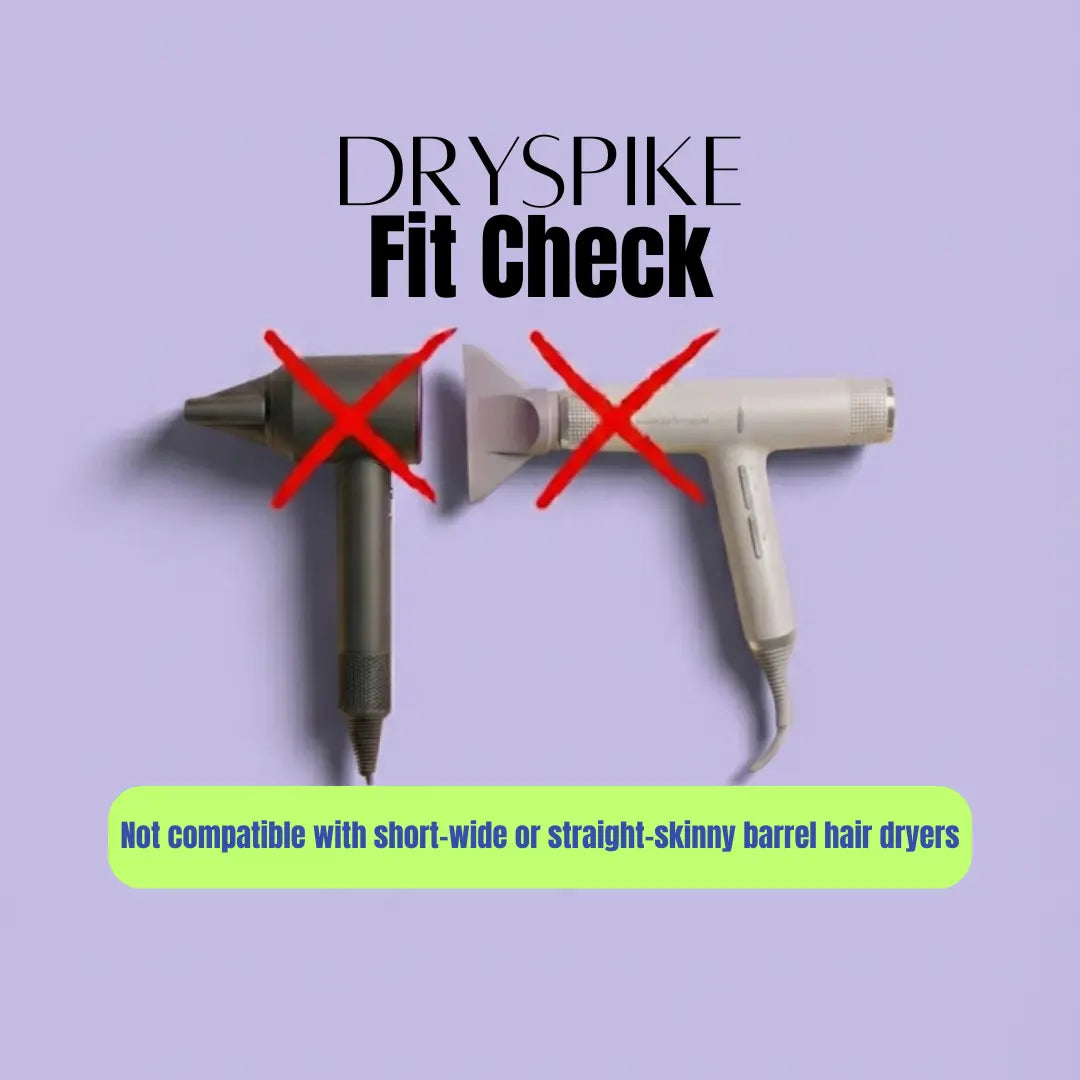
Many women find that using the DrySpike Blowout Tool cuts their blowout time by 20+ minutes, which is 20 fewer minutes of heat exposure on every wash day.
7. Finish With Cool Air
The cool shot button isn't just for setting your style, it helps seal the cuticle.
After each section is fully dry, blast it with cool air for a few seconds. This closes the cuticle, locks in moisture, and adds shine.
How Often Can You Safely Get a Blowout?
This depends on your hair type and how well you protect it.
General guidelines:
| Hair Type | Safe Frequency |
|---|---|
| Fine or color-treated | 1-2x per week max |
| Normal, healthy hair | 2-3x per week |
| Thick, coarse, virgin hair | 3-4x per week |
If you're using proper technique, heat protectant, and keeping exposure time down, most people can blow dry 2-3 times per week without significant damage.
Listen to your hair. If it starts feeling dry or showing damage signs, scale back.
Blowouts vs. Air Drying: Which Is Actually Better?
Plot twist: air drying isn't automatically healthier.
A 2011 study found that while blow drying caused more surface damage, air drying caused more damage to the inner cortex of the hair — especially when hair stayed wet for extended periods.
Why? Hair is actually weaker when wet. The longer it stays wet, the more the cortex swells and becomes vulnerable to damage from brushing, friction, and stretching.
The verdict: A quick, efficient blowout with proper technique may actually be less damaging than letting hair air dry for hours while brushing and styling it wet.
The key word is efficient. A 20-minute blowout with heat protectant beats a 45-minute blowout without it every time.
The Bottom Line
Do blowouts damage your hair? They can — but they don't have to.
The damage isn't from blow drying itself. It's from:
- Too much heat
- Too close distance
- Too much time
- Too little protection
Fix those four things and you can enjoy bouncy, salon-quality blowouts without sacrificing your hair health.
The formula for healthy blowouts:
- Always use heat protectant
- Start with 70-80% dry hair
- Use medium heat (not max)
- Keep dryer 4-6 inches away
- Work efficiently to minimize total heat time
- Finish with cool air
Your hair will thank you — and you won't have to give up your favorite style.